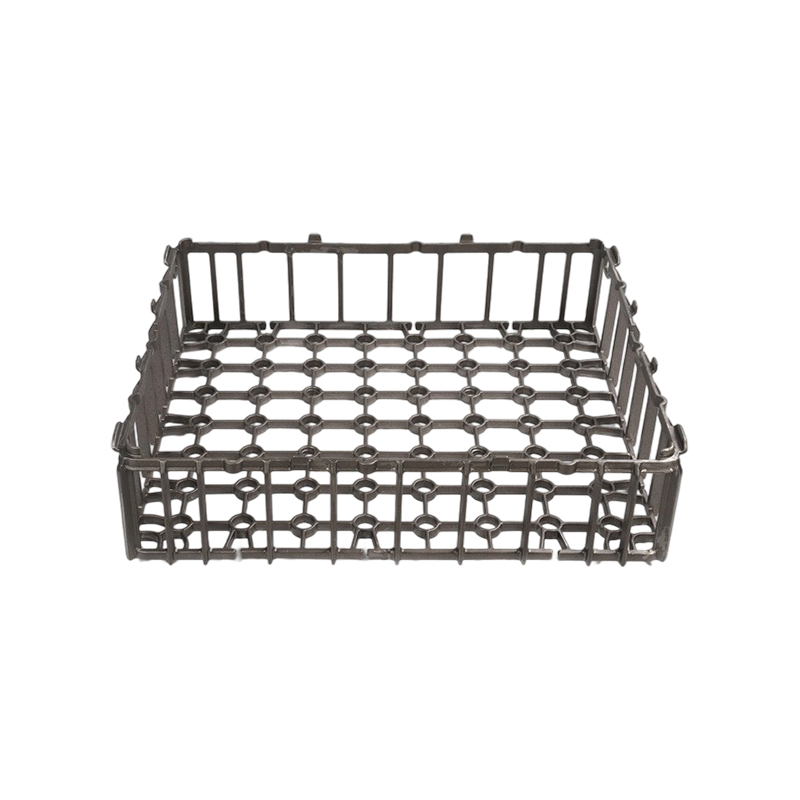
Shunda Road, Lincheng Town Science and Technology Industrial Park, Xinghua City, Jiangsu Province
 English
 русский
 Español
 عربى
عربى
AL-6XN stainless steel is a nitrogen-strengthened super-austenitic stainless steel (UNS N08367) engineered for chloride-rich environments where 316L fails. With nominally 24% nickel, 21% chromium, 6.5% molybdenum and 0.21% nitrogen, it achieves a pitting resistance equivalent number (PREN) of about 47 — nearly double that of 316L — which is why it is the default specification for seawater service, chemical processing and pharmaceutical equipment.
This guide covers what AL-6XN is, its composition and mechanical properties, how it compares with 316L and S31254, where it works best, what temperature limits it has, and the purchasing checks that prevent expensive material mistakes.
Content
What Is AL-6XN Stainless Steel?
AL-6XN is a low-carbon, high-purity, nitrogen-strengthened austenitic stainless steel available as plate, sheet, pipe, tube and bar, and it is used wherever standard austenitic grades cannot guarantee long-term chloride resistance.
The microstructure is fully austenitic, which makes the alloy essentially non-magnetic and tough down to cryogenic temperatures. High nickel keeps the austenite stable; molybdenum and nitrogen build a passive film that resists pitting and crevice corrosion in chloride solutions, and the low 0.030% maximum carbon content minimizes carbide precipitation during welding.
Because AL-6XN was designed as an upgrade path from 316L, fabricators find it similar in the shop: welding is straightforward with a nickel-base filler, forming requires more force, and the main adjustment is machining practice.
Chemical Composition and Mechanical Properties
The corrosion performance of AL-6XN comes from two deliberate additions: 6–7% molybdenum and 0.18–0.25% nitrogen. Molybdenum resists pitting in oxidizing chlorides, while nitrogen enhances both pitting resistance and strength.
| Element | Weight % (range or maximum) |
|---|---|
| Nickel (Ni) | 23.50 – 25.50 |
| Chromium (Cr) | 20.00 – 22.00 |
| Molybdenum (Mo) | 6.00 – 7.00 |
| Nitrogen (N) | 0.18 – 0.25 |
| Carbon (C) | 0.030 max |
| Manganese (Mn) | 2.00 max |
| Silicon (Si) | 1.00 max |
| Copper (Cu) | 0.75 max |
| Iron (Fe) | Balance |
Mechanical properties for plate are summarized below. The minimum yield strength of 310 MPa is roughly 40% higher than 316L, a direct benefit of nitrogen strengthening.
| Property | Typical Minimum Value |
|---|---|
| Tensile strength | 655 MPa (95 ksi) |
| Yield strength (0.2% offset) | 310 MPa (45 ksi) |
| Elongation in 50 mm | 30% |
| Hardness | HRB 95 max |
| Density | 8.06 g/cm³ |
| Melting range | Approx. 1340 – 1400°C |
The carbon cap at 0.030% keeps AL-6XN in the low-carbon family, so welding does not require post-weld heat treatment for general corrosion resistance.
AL-6XN vs. 316L vs. 254 SMO (S31254)
Choose 316L for mildly corrosive service, choose AL-6XN or S31254 for seawater and hot chloride service, and choose AL-6XN over S31254 when higher nickel content and yield strength give you design margin.
| Property | 316L (S31603) | AL-6XN (N08367) | S31254 |
|---|---|---|---|
| Chromium | 16.0 – 18.0% | 20.0 – 22.0% | 19.5 – 20.5% |
| Nickel | 10.0 – 14.0% | 23.5 – 25.5% | 17.5 – 18.5% |
| Molybdenum | 2.0 – 3.0% | 6.0 – 7.0% | 6.0 – 6.5% |
| Nitrogen | 0.10 max | 0.18 – 0.25% | 0.18 – 0.22% |
| PREN (approximate) | ~25 | ~47 | ~43 |
| Relative cost level | Low | High | High |
| Typical service | Fresh water, mild chemicals | Seawater, hot chlorides, mixed acids | Seawater, chloride service |
PREN, or pitting resistance equivalent number, is the shorthand buyers use to rank stainless grades: PREN = Cr + 3.3Mo + 16N. A value of about 47 for AL-6XN means its resistance to chloride pitting is far beyond 316L's approximate 25 and slightly above the S31254 value of about 43.
The practical takeaway is economic: AL-6XN costs roughly three to four times as much as 316L because of nickel and molybdenum content, and it costs about the same as S31254. Use PREN to shortlist, then make the final call on chloride stress-corrosion cracking risk, required yield strength and available product forms.
Common Industrial Applications
AL-6XN is specified in four broad service groups: seawater and offshore, chemical processing, pharmaceutical and biotech, and air-pollution control.
- Seawater cooling loops, desalination plants and offshore instrumentation tubing
- Chemical heat exchangers, reactor internals and chloride-laden storage tanks
- Pharmaceutical and biotech vessels cleaned with hot chloride sanitizers
- Flue-gas desulfurization scrubbers and ductwork in power plants
- Pulp bleaching towers and textile dyeing equipment
Piping and Heat-Exchanger Components
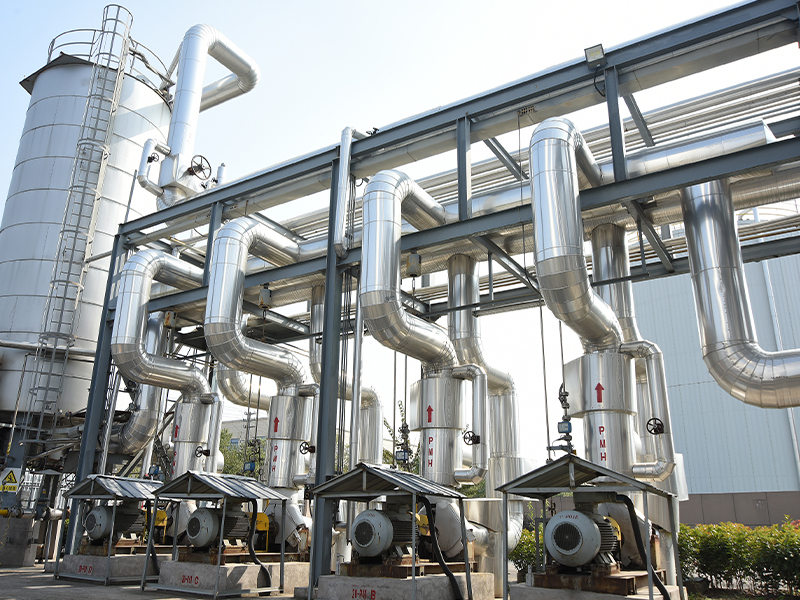
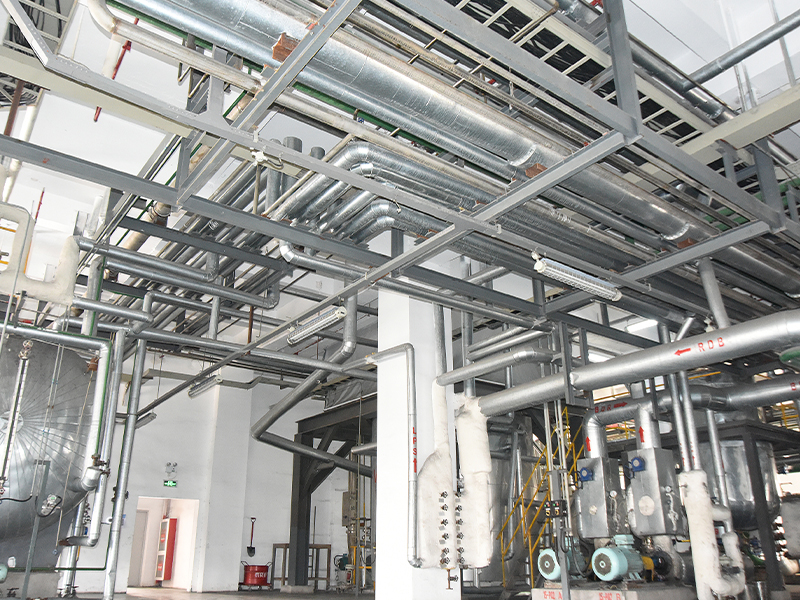
For piping and heat-exchanger duty, the standard product forms are welded or seamless AL-6XN tube. When a part must be cast rather than rolled — pipe fittings, valve bodies, burner tips — the cast material must meet the same corrosion targets. A heat-resistant stainless steel pipe produced by centrifugal casting, for example, delivers a dense, sound structure with the high chromium and molybdenum levels required for aggressive chloride service at elevated temperature.
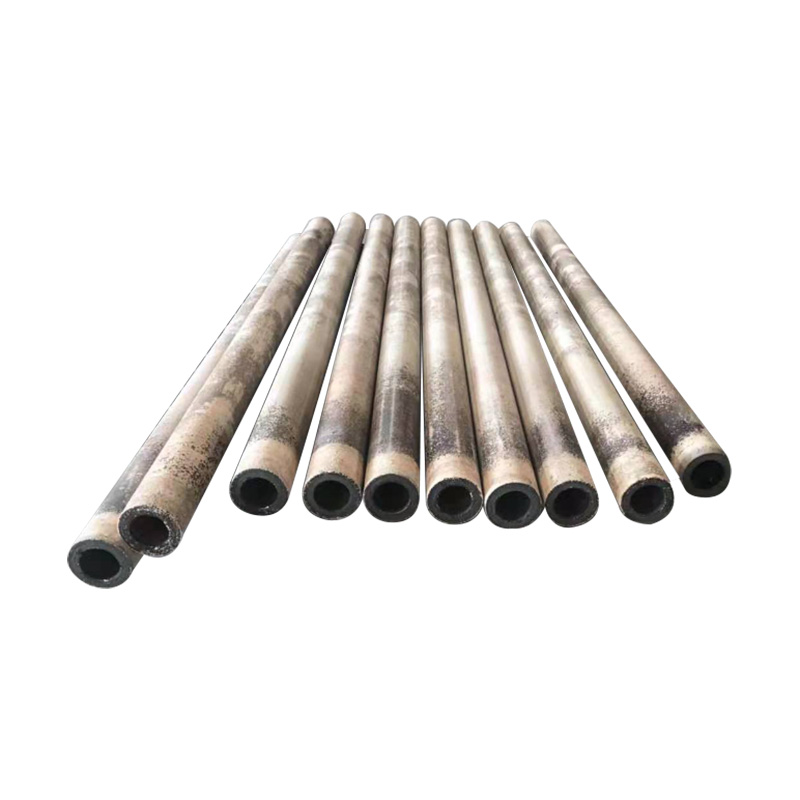 Centrifugally Cast Heat-Resistant Stainless Steel Pipe for Chloride ServiceThis seamless pipe offers a dense, sound structure with high chromium and molybdenum levels, meeting corrosion and strength needs for piping and heat-exchanger duty in aggressive chloride environments.View Product →
Pumps, Mixers and Mechanical Components
Rotating and reciprocating equipment sees the same corrosive media plus mechanical load. Bearing housings, pump casings and impellers in super-austenitic grades resist pitting while carrying high stresses. A heat-resistant stainless steel bearing cap designed for high-load service combines corrosion resistance with the rigidity needed in furnace, kiln and mixing equipment — a combination that 316L components often lose after short exposure to chlorides.
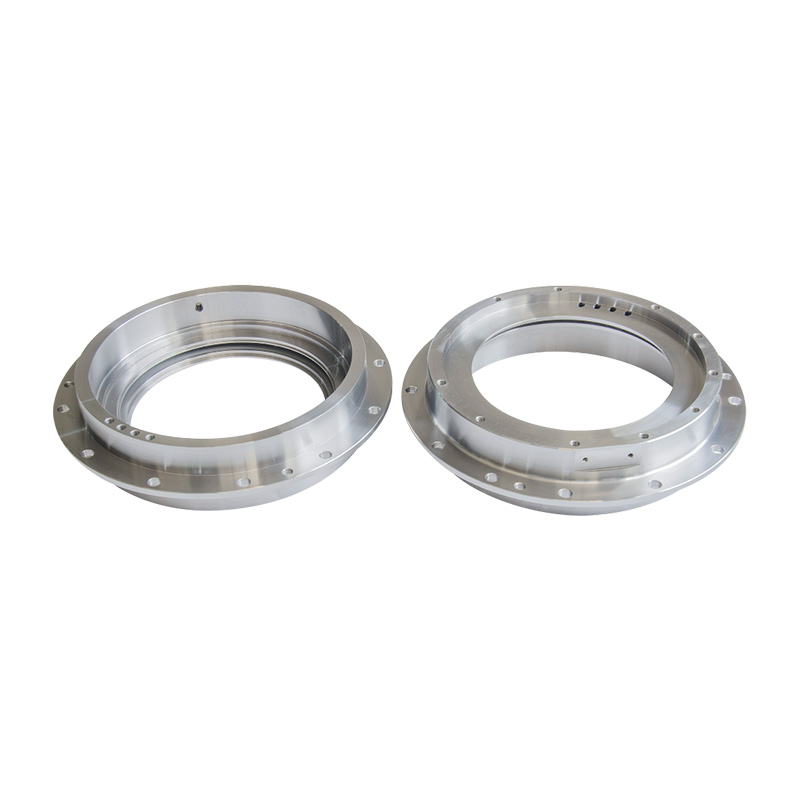 Centrifugally Cast Heat-Resistant Stainless Steel Bearing Cap for High-Load ServiceDesigned for bearing support in rotating equipment, this cap combines corrosion resistance with rigidity, maintaining performance under high loads where 316L components often fail due to chloride exposure.View Product →
Temperature Limits and Cast Heat-Resistant Alternatives
The key limitation of AL-6XN is temperature, not corrosion. In continuous service above roughly 550°C (1020°F), yield strength and creep resistance drop quickly, and its oxidation resistance is not designed for furnace duty.
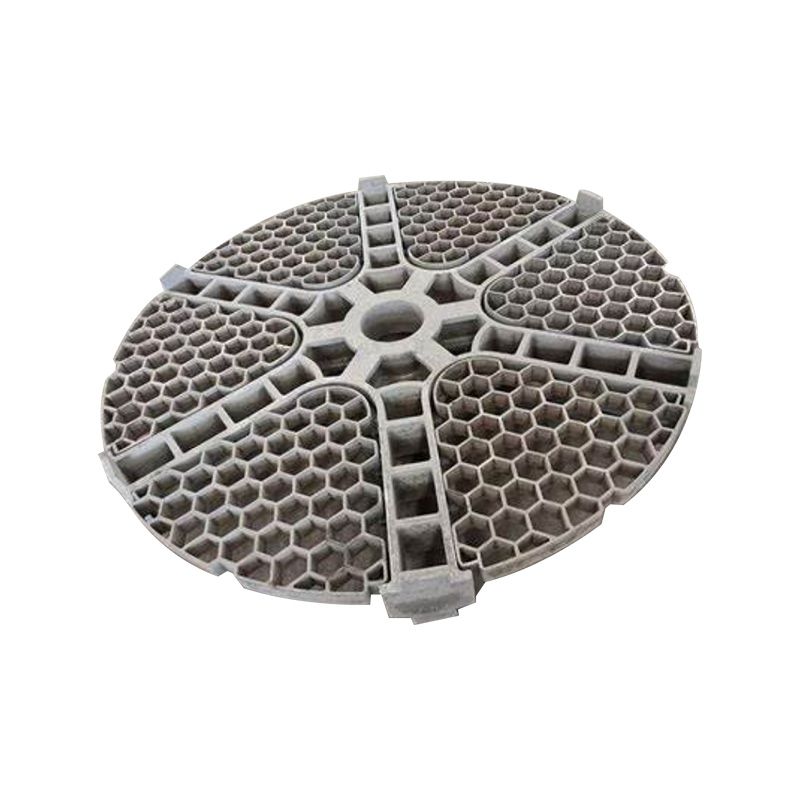
For hot sections such as furnace rolls, kiln seals, heat-treatment trays and grate plates, cast heat-resistant stainless steels with 22–28% chromium take over. A heat-resistant centrifugal casting furnace roller, for instance, maintains load-carrying capacity at 900–1100°C, far beyond what AL-6XN can survive.
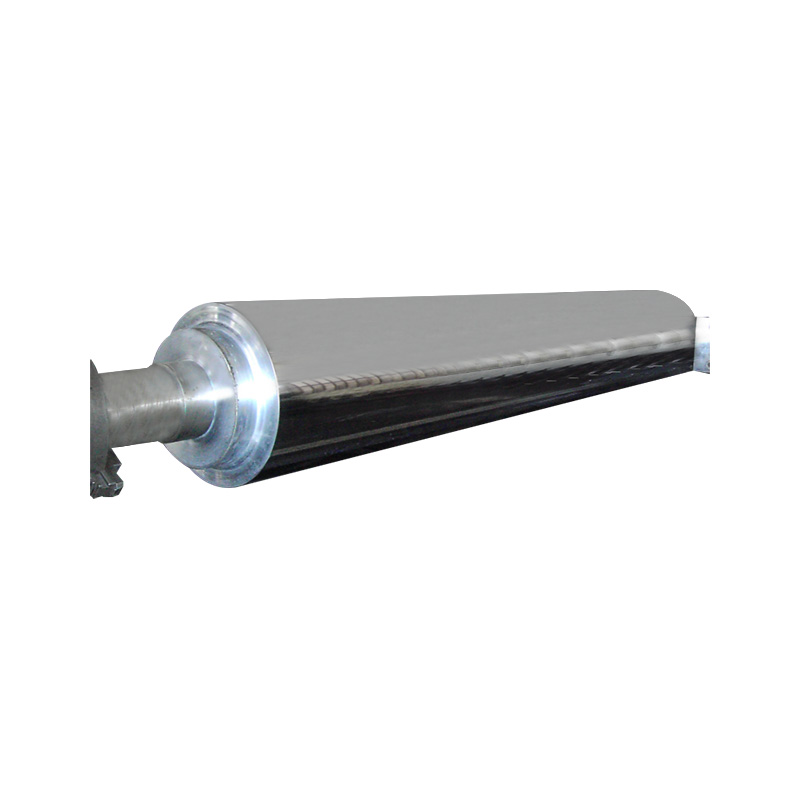 Centrifugally Cast Heat-Resistant Furnace Roller for High-Temperature LoadsEngineered for furnace rolls and kiln applications, this roller maintains load-carrying capacity at 900–1100°C, offering wear and thermal shock resistance for continuous rotational service.View Product →
Even small hot-gas components matter more than their size suggests. A precisely cast heat-resistant steel sealing strip prevents cold-air ingress and fuel waste in kilns and furnaces, which is why sealing parts deserve the same design attention as major structural components.
Fabrication and Purchasing Considerations
AL-6XN fabricates differently from 316L in two ways: welding is forgiving, machining is not. And because the alloy is expensive, the purchasing process should focus on chemistry verification rather than price alone.
Welding and Machining
Weld with GTAW or GMAW using a nickel-base filler such as Alloy 625, keep the interpass temperature below 150°C, and no post-weld heat treatment is required for corrosion resistance.
Machining is the operation that surprises new shops. The alloy work-hardens rapidly, so use sharp positive-rake inserts, rigid fixturing, low cutting speeds and high feed rates, and plan for 20–40% shorter tool life than with 316L.
Casting Equivalents and Supplier Verification
AL-6XN is a wrought grade and is rarely produced as a casting. If your component geometry — pump body, valve body, bearing housing — demands a casting, specify CN3MN (UNS J94651) under ASTM A351, which follows the same chromium, molybdenum and nitrogen philosophy with foundry-friendly adjustments. For parts above 550°C, choose cast heat-resistant alloys instead of forcing a wrought stainless grade.
Buy from a specialized alloy steel casting manufacturer that can show melt certificates, heat-treatment records and NDT reports. Confirm the PREN target on the material certificate, request PMI testing on receipt, and keep a reference sample from each heat.
AL-6XN Stainless Steel FAQ
Is AL-6XN the same as 316L stainless steel?
No. 316L contains 2–3% molybdenum and has a PREN around 25, while AL-6XN contains 6–7% molybdenum plus nitrogen and reaches a PREN around 47. AL-6XN offers far better resistance to chloride pitting, crevice corrosion and stress-corrosion cracking.
Can AL-6XN be cast?
AL-6XN is a wrought specification. When a casting is required, specify CN3MN (UNS J94651) under ASTM A351 or an equivalent foundry alloy with matching chromium, molybdenum and nitrogen levels, and verify heat treatment and test reports.
What is the maximum operating temperature of AL-6XN?
For corrosion service, plan on about 550°C (1020°F) as the practical ceiling. Above that temperature, creep strength and oxidation resistance decline, and cast heat-resistant stainless steels such as HK, HP or 310-type grades are the better choice for load-bearing components.
Is AL-6XN magnetic?
No. The fully austenitic microstructure stays essentially non-magnetic even after cold working, which matters for sensitive instrumentation housings and medical equipment.
Which is better, AL-6XN or 254 SMO?
Both are super-austenitic grades with PREN in the 43–47 range. AL-6XN has more nickel (23.5–25.5% versus 17.5–18.5%), which improves resistance to chloride stress-corrosion cracking in some hot media and delivers higher yield strength. S31254 is the leaner, often slightly lower-cost alternative when its properties meet the design requirements.
The selection rule is simple: define the chloride exposure, the operating temperature and the mechanical load first, then pick AL-6XN when you need maximum wrought corrosion performance, CN3MN when the part must be cast in the same chemistry family, and cast heat-resistant alloys when the temperature exceeds AL-6XN's ceiling. Verified chemistry and heat-treatment records separate an alloy that performs from one that only carries a name.