Shunda Road, Lincheng Town Science and Technology Industrial Park, Xinghua City, Jiangsu Province

 English
 русский
 Español
 عربى

A cheek plate is either a comfort accessory mounted on a firearm stock or a wear-resistant liner inside a jaw crusher. The two share a name but almost nothing else. If you search for “cheek plate,” you will find DIY rifle cheek rests, leather shotgun pads, and Kydex add-ons. Yet the same term also describes a critical wear part in aggregate and mining equipment. This guide explains both meanings, then focuses on how to select the right material, thickness, and mounting method for each application.
The short answer: for firearms, choose a cheek plate that raises your line of sight and distributes recoil without shifting. For industrial jaw crushers, choose a cheek plate made from a wear-resistant alloy such as high-manganese steel, alloy steel, or heat-resistant cast steel, and match its thickness to your feed size and throughput. The rest of this article gives you the details, comparisons, and selection criteria that matter.
Content
- 1 What Is a Cheek Plate? Definition and Two Main Types
- 2 Firearm Cheek Plates: Materials, Fit, and Mounting
- 3 Industrial Cheek Plates for Jaw Crushers: Material and Design Considerations
- 4 How to Choose the Right Cheek Plate: Key Factors and Comparison
- 5 Common Mistakes and Troubleshooting
- 6 FAQ
- 6.1 What is the difference between a cheek plate and a cheek rest?
- 6.2 Can a cheek plate be made from heat-resistant steel?
- 6.3 How often should industrial cheek plates be replaced?
- 6.4 Do I need to drill holes to install a firearm cheek plate?
- 6.5 What thickness of cheek plate is best for a jaw crusher?
What Is a Cheek Plate? Definition and Two Main Types
A cheek plate is a removable or fixed plate that sits against a surface to protect it or improve contact. In firearms, it is a pad on the side of the stock where the shooter’s cheek rests. In crushing equipment, it is a sacrificial plate bolted to the inner side walls of a jaw crusher’s crushing chamber.
These two product categories differ in purpose, material, and installation. The table below summarizes the core differences.
| Feature | Firearm Cheek Plate | Industrial Cheek Plate |
|---|---|---|
| Primary function | Improve cheek weld, comfort, and sight alignment | Protect crusher side walls from wear and impact |
| Typical materials | Leather, Kydex, polymer, wood, rubber | High-manganese steel, alloy steel, heat-resistant cast steel |
| Mounting method | Adhesive, straps, hook-and-loop, screws, or clamp-on | Bolted or welded to the crusher frame |
| Key selection factors | Thickness, texture, height, and fit to stock | Hardness, toughness, thickness, and feed size |
| Replacement frequency | Rarely replaced; may be adjusted seasonally | Regularly replaced based on tonnage and abrasiveness |
If your search was triggered by a rifle build or shotgun fit, the first column applies. If you maintain a quarry, recycling plant, or cement line, the second column is your focus. The remaining sections cover each in turn.
Firearm Cheek Plates: Materials, Fit, and Mounting
The best firearm cheek plate is the one that brings your eye in line with the scope or iron sights without forcing you to strain your neck. It should also stay put under recoil and not interfere with the bolt or charging handle.
Most shooters add a cheek plate for one of three reasons: the stock comb is too low, the comb is too narrow and digs into the cheekbone, or the original stock material becomes slippery in wet or cold conditions. A well-chosen plate solves all three.
Material options
- Leather: Traditional, quiet, and comfortable. It absorbs minor moisture and conforms to the cheek over time. Best for shotguns and classic rifles.
- Kydex: Rigid, weatherproof, and available in custom shapes. It can be heated and molded to the stock for a precise fit. Best for tactical or precision rifles.
- Polymer or rubber: Lightweight and inexpensive. Often used in adjustable cheek risers. Good for hunting rifles where weight matters.
- Wood: Matches wooden stocks and can be sanded to shape. Requires sealing to resist moisture.
Thickness and height
A cheek plate typically adds 6 mm to 25 mm of height. Start with a temporary spacer, such as a piece of foam or cardboard, to determine the exact rise you need. Too little rise leaves you craning your neck; too much prevents a solid cheek weld and can cause the stock to catch on clothing during the mount.
Mounting methods
- No-drill straps: Elastic or hook-and-loop straps wrap around the stock. They are reversible and ideal for shooters who do not want to modify the stock.
- Adhesive-backed pads: Quick to install but may shift in heat or after repeated recoil. Clean the stock surface thoroughly before applying.
- Screw-mounted plates: The most secure option. Requires drilling pilot holes and sealing the stock to prevent moisture ingress.
- Clamp-on rails: Common on adjustable stocks. The cheek plate slides onto a rail and can be moved up or down.
Whichever method you choose, check that the plate does not block the safety, bolt handle, or sling swivel. A few minutes of dry-firing and mounting practice will confirm the fit before you commit to permanent holes.
Industrial Cheek Plates for Jaw Crushers: Material and Design Considerations
An industrial cheek plate must resist gouging abrasion and high-impact loads while maintaining a secure fit inside the crushing chamber. The wrong material leads to premature wear, broken bolts, and unplanned downtime.
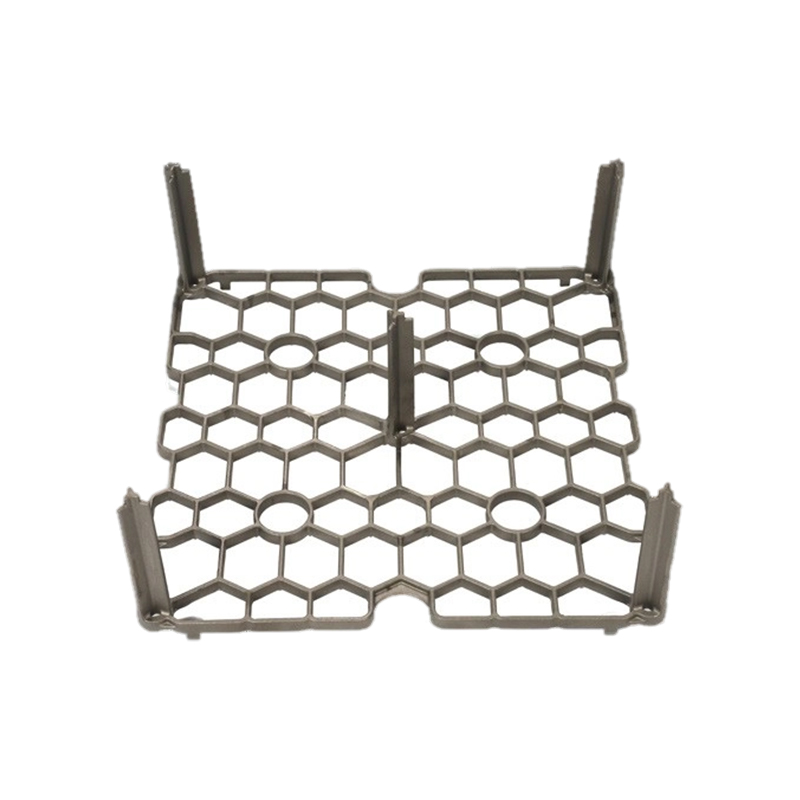
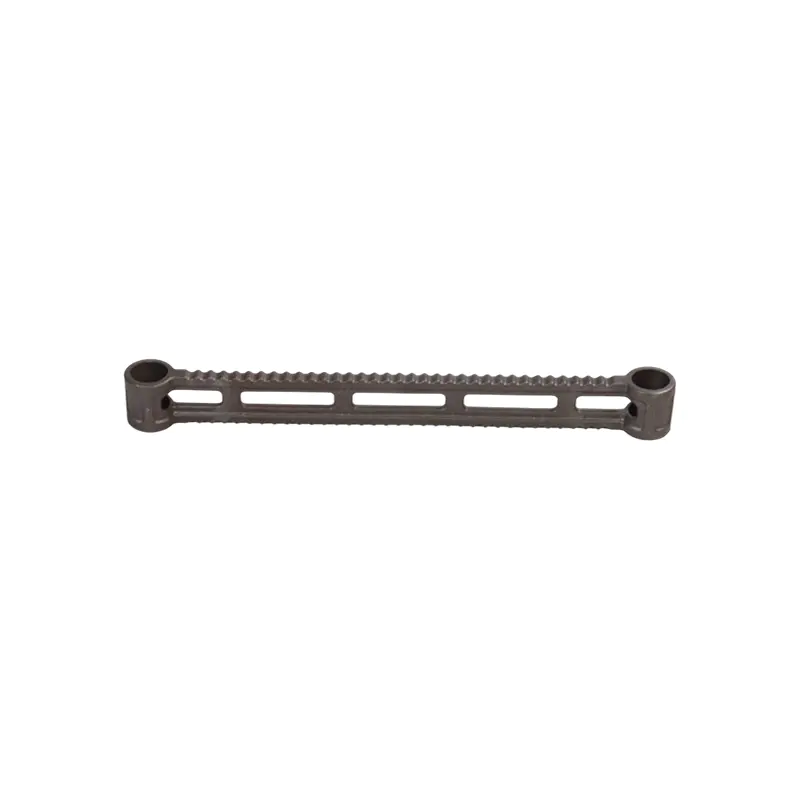
Jaw crusher cheek plates line the stationary and moving jaw side walls. They do not crush rock directly, but they guide feed material into the crushing zone and protect the crusher frame from wear. Because they see constant sliding and impact from irregular rock, they fail by a combination of abrasion, deformation, and fatigue.
Material selection
- High-manganese steel (Hadfield): The standard choice for high-impact applications. It work-hardens under load, developing a hard surface while remaining tough inside. Ideal for primary crushing of hard, abrasive rock.
- Alloy steel: Offers a balance of hardness and toughness. Often used when impact is moderate and abrasion is the main concern. Can be heat-treated to specific hardness levels.
- Heat-resistant cast steel: Necessary when the crusher handles hot materials, such as clinker or slag. These alloys resist oxidation and creep at elevated temperatures.
- Chromium carbide overlay: A wear-resistant layer applied to a mild steel base. Suitable for low-impact, high-sliding-abrasion conditions.
Thickness and profile
Cheek plate thickness typically ranges from 25 mm to 75 mm. Thicker plates last longer but add weight and reduce the effective crushing chamber width. The profile may be flat, corrugated, or stepped. Corrugated plates help grip the feed and reduce slippage, while flat plates are easier to clean and replace.
Mounting and maintenance
Industrial cheek plates are usually bolted to the crusher frame with countersunk bolts. Welding is possible but makes replacement more difficult. Always use new bolts and torque them to the manufacturer’s specification. Inspect cheek plates every 500 to 1,000 operating hours, depending on feed abrasiveness. Rotate or flip them if the design allows, so that wear is distributed evenly.
Producing a reliable cast cheek plate requires controlled melting, precise molding, and proper heat treatment. For example, a professional alloy steel foundry can adjust chemical composition and cooling rates to achieve the right combination of hardness and toughness. Lost foam casting is one process that can create complex wear plate geometries with minimal machining, as explained in this article on lost foam casting benefits. These capabilities matter when you need a cheek plate that fits the first time and lasts through millions of tonnes.
How to Choose the Right Cheek Plate: Key Factors and Comparison
Choose a cheek plate by matching its material and dimensions to the dominant wear mechanism and the equipment interface. For firearms, that means comfort and sight alignment. For crushers, that means abrasion resistance and impact toughness.
Use the following checklist to narrow your options.
For firearm stocks
- Measure the drop at comb and the desired sight height.
- Decide whether you can drill the stock or need a no-drill solution.
- Consider weather: leather needs treatment; Kydex and polymer are maintenance-free.
- Test the fit with temporary spacers before permanent installation.
For jaw crusher cheek plates
- Identify the feed material: hard rock, recycled concrete, slag, or hot clinker.
- Estimate the abrasiveness and maximum lump size.
- Check the crusher’s original equipment specifications for plate thickness and bolt pattern.
- Review the wear history of the current plates. If they fail by cracking, increase toughness. If they wear thin quickly, increase hardness or thickness.
- Confirm that the replacement plate will not reduce the feed opening below the required capacity.
The table below summarizes the decision criteria.
| Consideration | Firearm Cheek Plate | Industrial Cheek Plate |
|---|---|---|
| Primary wear mechanism | Friction, moisture, recoil | Abrasion, impact, heat |
| Critical dimension | Height rise and length along stock | Thickness, bolt hole pattern, profile |
| Material hardness | Not applicable; focus on texture and flexibility | Usually 180–350 HB for manganese steels; higher for alloy steels |
| Installation time | Minutes to an hour | Several hours to a full shift |
| Cost driver | Material and custom shaping | Alloy content, casting process, machining, and weight |
Common Mistakes and Troubleshooting
The most common mistake is choosing a cheek plate for appearance rather than function. That applies to both rifles and crushers.
Firearm cheek plate mistakes
- Too much height: The shooter’s cheek loses contact with the stock, causing inconsistent eye position. Fix by sanding down or adding a lower-profile plate.
- Poor adhesion: Adhesive pads peel off in hot weather or after contact with gun oil. Clean with alcohol and use a primer if needed.
- Interference with controls: A plate that covers the bolt release or safety is a safety hazard. Check clearance before final mounting.
- Unsealed wood: Wooden cheek plates swell and crack if not sealed. Apply several coats of oil or polyurethane.
Industrial cheek plate mistakes
- Wrong alloy for the application: Using a high-hardness, low-toughness plate in a high-impact crusher leads to cracking. Use manganese steel instead.
- Incorrect bolt torque: Loose bolts cause plate movement, which accelerates wear and can damage the frame. Re-torque after the first few hours of operation.
- Ignoring wear patterns: Uneven wear often indicates a feeding problem or a misaligned jaw. Correct the root cause before replacing the plate again.
- Using mild steel: Mild steel cheek plates wear out in days or weeks in abrasive service. They are a false economy.
Regular inspection and record-keeping help you predict replacement intervals and avoid surprises. For critical crushers, keep at least one spare set of cheek plates on site.
FAQ
What is the difference between a cheek plate and a cheek rest?
A cheek rest is a broader term for any raised surface on a firearm stock. A cheek plate is a specific plate, often aftermarket, that is added to create or improve that rest. In industrial settings, the term cheek plate is standard for the wear liner in a jaw crusher.
Can a cheek plate be made from heat-resistant steel?
Yes, if the jaw crusher processes hot materials such as clinker, slag, or sinter. Heat-resistant cast steels maintain strength and resist oxidation at temperatures above 500 °C. For ambient-temperature crushing, high-manganese or alloy steel is more cost-effective.
How often should industrial cheek plates be replaced?
Replacement intervals depend on feed abrasiveness, throughput, and plate thickness. In hard rock quarries, a set may last 6 to 18 months. In recycling or demolition, it may last only a few weeks. Inspect every 500 hours and track wear with measurements.
Do I need to drill holes to install a firearm cheek plate?
No. Many cheek plates use straps, hook-or-loop fasteners, or clamp-on rails. These no-drill options are popular because they preserve the stock’s value and can be moved between rifles. Screw-mounted plates are more secure but require permanent modification.
What thickness of cheek plate is best for a jaw crusher?
Most jaw crusher cheek plates are 25 mm to 50 mm thick. The exact thickness should match the original equipment specification or be calculated from the expected wear rate. Thicker plates last longer but reduce the crushing chamber width and add weight.
Cheek plates serve two very different worlds, but the selection logic is similar: define the job, match the material, and verify the fit. For firearms, prioritize comfort and consistent eye alignment. For jaw crushers, prioritize wear resistance, impact toughness, and correct bolting. When you need custom industrial cheek plates or other wear-resistant castings, work with a foundry that controls chemistry, molding, and heat treatment. That is how you get a plate that protects your equipment and your uptime.