Shunda Road, Lincheng Town Science and Technology Industrial Park, Xinghua City, Jiangsu Province

 English
 русский
 Español
 عربى

Cobalt-based alloys are metals in which cobalt is the principal element, usually combined with chromium, tungsten, molybdenum, carbon, or nickel. They are selected when a part must hold hardness at red heat, resist galling and abrasion, or survive corrosive high-temperature service. The practical buying point is simple: the alloy family sets the performance ceiling, but chemistry control and casting quality decide whether the part reaches it.
This guide explains the main cobalt-based alloy families, compares them with nickel-based options, and highlights what to check before releasing a casting purchase order.
Content
- 1 What Are Cobalt-Based Alloys?
- 2 Why Cobalt-Based Alloys Perform Where Steel Fades
- 3 Cobalt-Based vs Nickel-Based Alloys: Which Fits the Duty?
- 4 Where Cobalt-Based Alloys Are Used in Practice
- 5 Casting and Specification Risks Buyers Should Check
- 6 How to Compare Cobalt-Based Alloy Quotes
- 7 FAQ: Cobalt-Based Alloy Selection
What Are Cobalt-Based Alloys?
Cobalt-based alloys are cobalt-dominant materials engineered for hot hardness, wear resistance, or corrosion resistance, not for low cost or easy machining.
Most industrial grades fall into two practical groups: carbide-strengthened Co-Cr-W-C alloys and Co-Cr-Mo or Co-Ni-Cr grades that rely more on solid-solution strengthening. Carbon is not a minor detail. In carbide-strengthened grades, carbon controls carbide volume, and carbide volume controls wear resistance, crack sensitivity, and machining difficulty.
| Family | Typical composition direction | Primary reason to select it | Common part examples |
|---|---|---|---|
| Co-Cr-W-C | Co balance, roughly 10-30% Cr, 5-12% W plus Mo, controlled carbon | Hot hardness, abrasion resistance, galling resistance | Wear pads, hot rolls, valve trim, pump sleeves |
| Co-Cr-Mo | Co balance, high Cr, Mo addition, low to moderate carbon | Corrosion resistance with wear resistance | Medical-grade components, pump parts, wear inserts |
| Co-Ni-Cr | Co balance with Ni, Cr, and refractory additions | Thermal fatigue resistance and oxidation resistance | Furnace hardware, turbine-related castings, hot fixtures |
Why Cobalt-Based Alloys Perform Where Steel Fades
The main advantage is hot hardness: a cobalt-based alloy can retain a hard, wear-resistant surface at temperatures where many steels soften.
The cobalt-rich matrix resists softening, while chromium carbides and other hard phases carry abrasive load. Some grades also work-harden under sliding contact, which helps against galling. That combination matters in valve seats, pump sleeves, hot rolls, and wear plates that see heat, pressure, and relative motion at the same time.
Hot hardness
Useful when the part stays hot while sliding or sealing. Hardness at room temperature tells only part of the story.
Wear and galling
Cobalt alloys are often chosen where stainless steel pairs gall, seize, or wear too quickly.
Corrosion plus wear
Chromium and molybdenum improve corrosion resistance, but the exact grade must match the chemical exposure.
Thermal fatigue
Cyclic heating and cooling can crack any alloy. Grade selection and casting soundness both matter.
For furnace hardware such as heat-resistant centrifugal casting furnace rollers, the choice is rarely “cobalt or nothing.” Confirm whether the duty is oxidation, thermal fatigue, or abrasion, then compare a cobalt-based grade with a heat-resistant stainless or nickel-saving alloy on total service life.
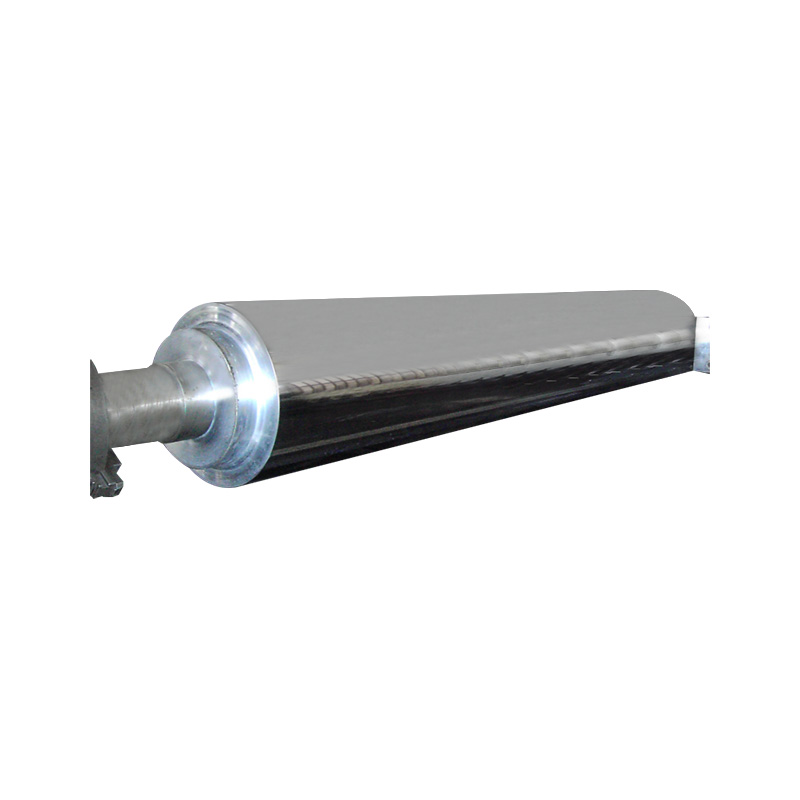 Heat-Resistant Centrifugal Casting Furnace RollerHeat-resistant centrifugal casting furnace roller for high-temperature rotational service; review alloy options against oxidation, thermal fatigue, and abrasion duty.View Product →
Cobalt alloys are not a default upgrade. They can be less ductile, more costly to machine, and less forgiving of poor casting soundness than many iron- or nickel-based grades. Use them where their specific strengths solve a measured problem.
Cobalt-Based vs Nickel-Based Alloys: Which Fits the Duty?
Choose cobalt-based alloys when hot hardness, galling resistance, and wear dominate; choose nickel-based alloys when oxidation resistance, weldability, and high-temperature strength at lower cost dominate.
| Selection criterion | Cobalt-based alloys | Nickel-based alloys | What it means in service |
|---|---|---|---|
| Hot hardness and wear | Excellent in carbide-strengthened grades | Good, but generally lower in sliding wear | Cobalt grades often win in valve trim, sleeves, and hot wear pads. |
| Oxidation resistance | Good to excellent when chromium is sufficient | Generally excellent | Long air-furnace exposure may favor nickel-based grades. |
| Galling and metal-to-metal contact | Excellent | Moderate to good | Cobalt alloys are common where stainless pairs seize. |
| Repair and welding | More crack-sensitive; procedure control matters | Generally more forgiving | Plan weld repair and inspection before casting approval. |
| Machining and cost | Difficult, work-hardening, higher cost | Difficult but often more familiar | Compare finished part cost and downtime risk, not price per kilogram. |
Where Cobalt-Based Alloys Are Used in Practice
Cobalt-based alloys are used most often in small, high-value parts where one failure stops a line.
- Valve seats, trim, and sealing surfaces exposed to heat and wear.
- Pump sleeves, bushings, and wear rings in corrosive slurries.
- Hot rolls, guides, and wear pads in steel and heat-treatment equipment.
- Medical-grade Co-Cr-Mo components requiring wear resistance and corrosion resistance.
- Furnace fixtures and hot-work tooling where distortion or wear shortens changeout intervals.
Heat Treatment and Furnace Fixtures
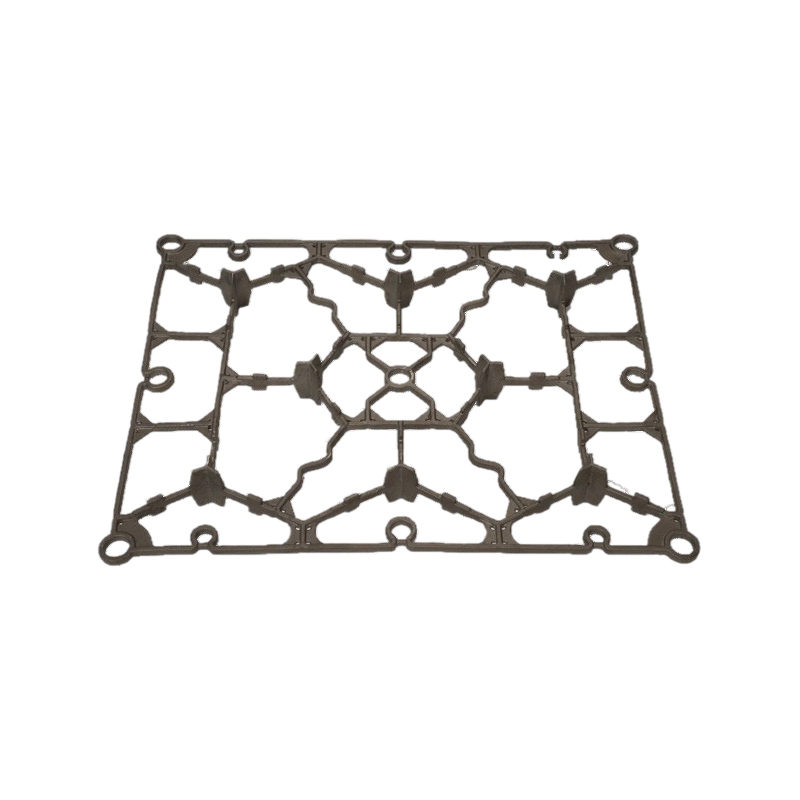
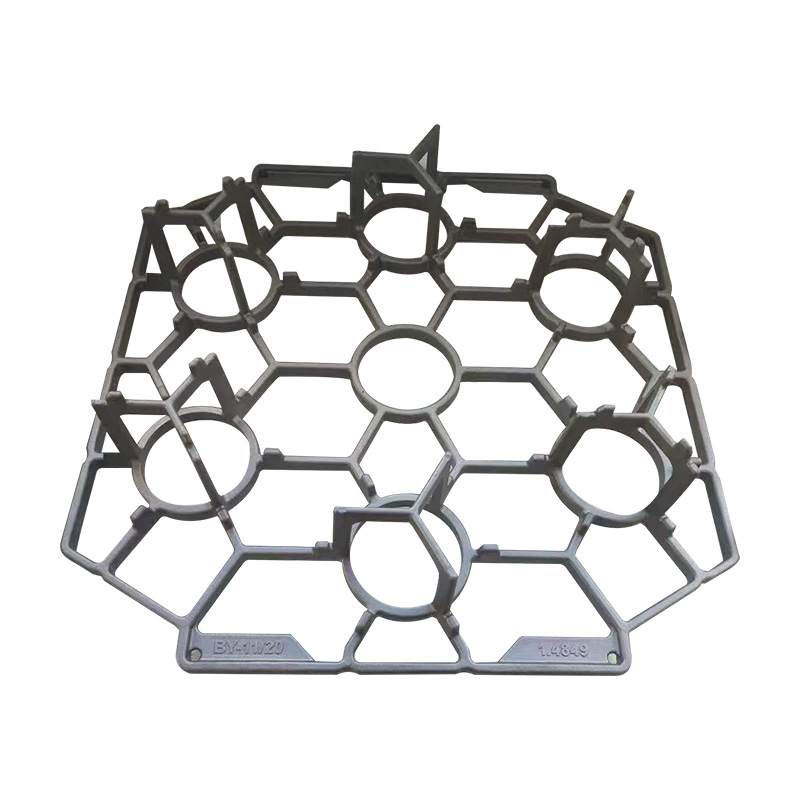
Heat-treatment fixtures illustrate why design and alloy must be reviewed together, because a tray or basket can lose more life through thermal distortion and poor load support than through alloy choice alone.
In a well-type furnace, stackable baskets and base trays control loading, gas flow, and contact area. If the fixture sags or warps, the alloy is often blamed when the real issue is section thickness, support spacing, or heat-up rate. Our article on heat-treatment tray design explains how those variables affect furnace uniformity.
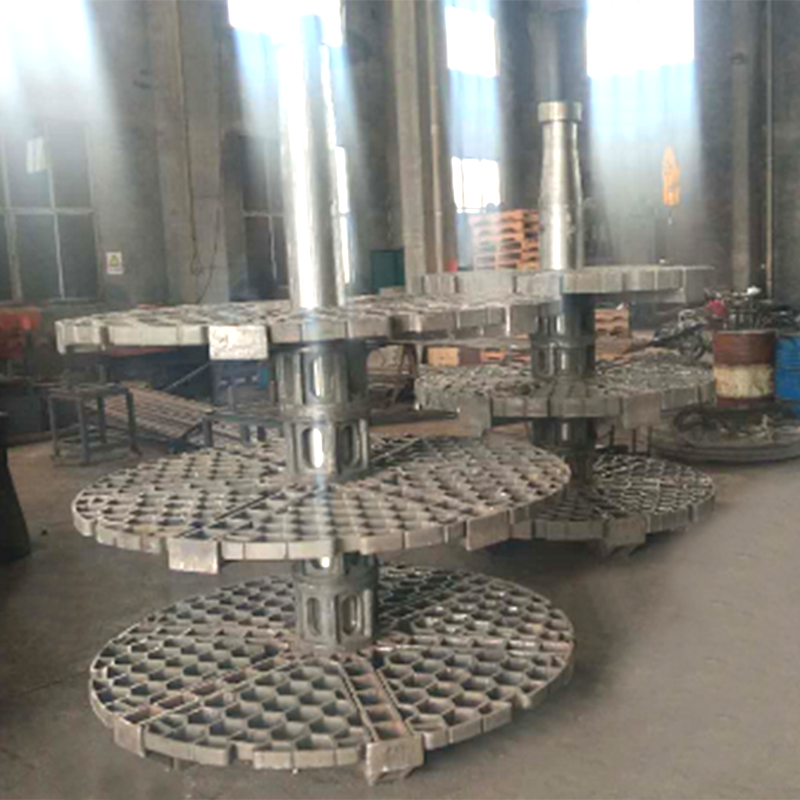 Stackable Heat Treatment Basket for Well-Type FurnacesCustom heat-resistant stainless steel basket organizes parts and supports airflow and uniform heating in well-type furnaces; consider tray design and loading variables.View Product →
Wear and Abrasion in Cement, Steel, and Pumping
In cement, steel, and pumping duty, cobalt-based alloys are usually considered for wear parts that also see heat, impact, or corrosion, not for large structural castings.
Typical examples include grate bars, liner plates, sleeves, and sealing surfaces. For centrifugal-cast sleeves and rolls, the centrifugal casting product range shows the kind of tubular and rotation-related parts where material and casting method must be matched to the wear pattern.
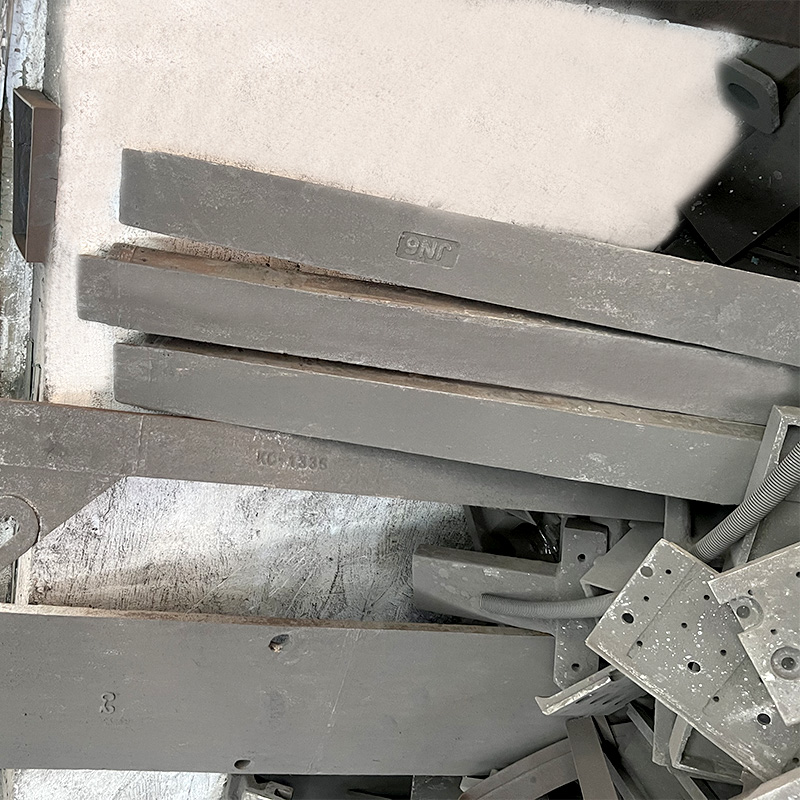 Heat-Resistant Grate Cooler Grate Plates and LinersCustom heat-resistant steel grate bars, plates, and liner plates for high-temperature cooling systems; review wear and thermal duty before specifying cobalt alloys.View Product →
Casting and Specification Risks Buyers Should Check
Cobalt-based alloy castings usually fail for specification reasons, not because cobalt is a poor material.
| Risk | What to specify | Why it matters |
|---|---|---|
| Chemistry drift | Carbon, chromium, tungsten, molybdenum, and impurity limits with test method | Small chemistry changes shift carbide volume, toughness, and wear life. |
| Unsound casting | Process route, gating review, radiographic or penetrant acceptance, and repair rules | Hot hardness cannot compensate for shrinkage, gas porosity, or hot tears. |
| Machining allowance | Dimension tolerances, datum scheme, and finishing stock | Cobalt alloys work-harden; excessive stock removal can raise cost and crack risk. |
| Repair without approval | Weld procedure, preheat, post-weld treatment, and inspection after repair | Uncontrolled repair can create hard zones or new cracking sites. |
How to Compare Cobalt-Based Alloy Quotes
The lowest-cost cobalt-based alloy quote is rarely the lowest-cost part in service.
- Define the duty cycle: temperature, atmosphere, load, sliding speed, and cleaning or shutdown cycles.
- State the acceptance standard: chemistry, hardness, dimensional report, NDT method, and repair approval.
- Confirm the casting process: investment casting for precision, resin sand for larger bodies, lost foam for complex shapes, or centrifugal casting for tubular parts.
- Review the supplier’s melting control, heat-treatment records, and traceability before comparing price.
- Ask for previous production evidence on similar wear or heat-service parts, not only material certificates.
Our foundry supports investment casting, resin sand casting, lost foam casting, centrifugal casting, and heat-treatment tooling, which allows the process route to be selected around the part rather than forced into one method.
FAQ: Cobalt-Based Alloy Selection
Are cobalt-based alloys the same as cobalt-chrome alloys?
No. Cobalt-chrome alloys are a subset of cobalt-based alloys; the broader family also includes Co-Cr-W, Co-Ni-Cr, and other compositions.
Can cobalt-based alloys be cast?
Yes. They are cast by investment casting, sand casting, lost foam casting, and centrifugal casting, but gating, cooling, and repair control must match the grade.
Are cobalt-based alloys magnetic?
Some are. Magnetic behavior depends on composition and microstructure, so it should be specified if the part operates near sensors or magnetic fields.
When should a buyer choose cobalt over nickel?
Choose cobalt when hot hardness, galling resistance, or abrasive wear is the dominant failure mode; choose nickel when oxidation resistance and repairability are more important.
What is the biggest procurement mistake?
Buying on chemistry alone. A cobalt-based alloy only performs when casting soundness, heat treatment, machining allowance, and inspection limits are specified together.