Shunda Road, Lincheng Town Science and Technology Industrial Park, Xinghua City, Jiangsu Province
 English
 русский
 Español
 عربى
عربى
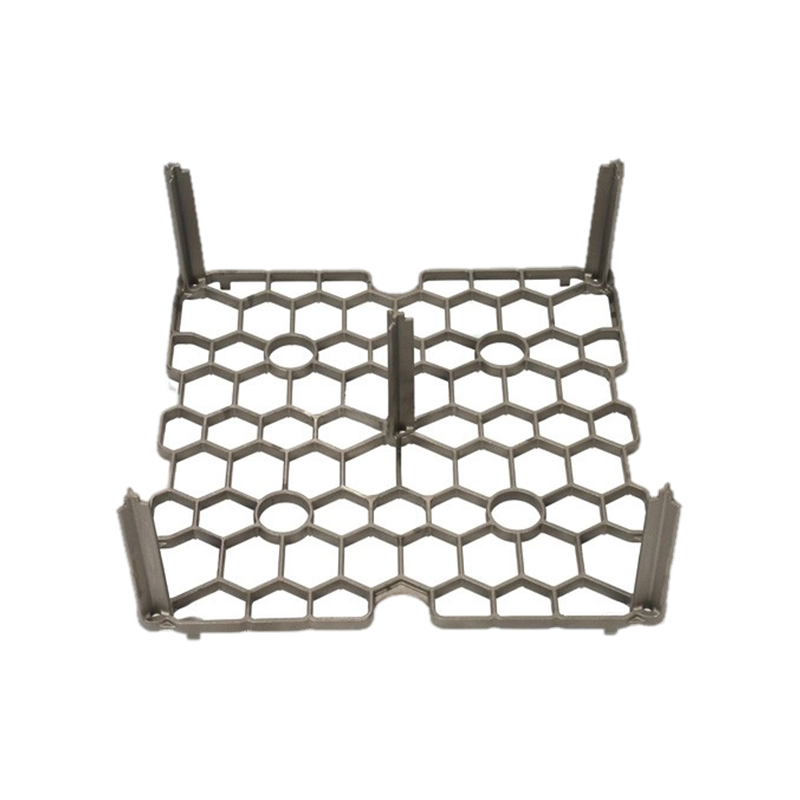
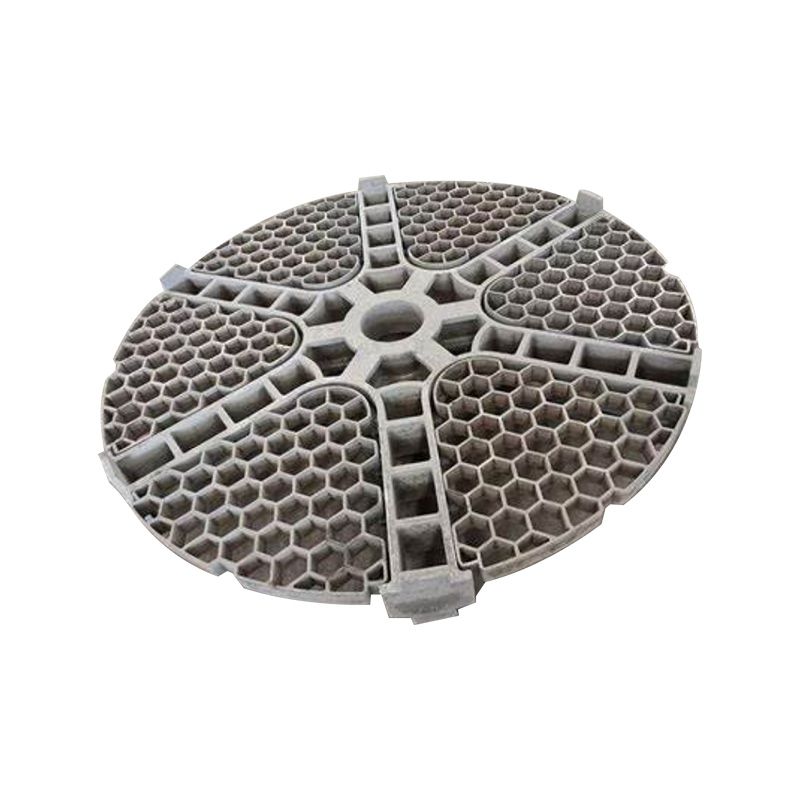
Heat treatment trays play a crucial role in enhancing the efficiency and effectiveness of heat treatment processes. Whether in manufacturing, metalworking, or materials processing, these trays provide significant benefits when it comes to optimizing temperature distribution, improving throughput, and reducing costs.
Content
1. Enhanced Temperature Distribution
One of the primary advantages of using a heat treatment tray is its ability to enhance temperature distribution. In traditional heat treatment processes, inconsistent heating can lead to uneven material properties, defects, or even material failure. The tray's design allows for uniform heat distribution, ensuring that the treated items are exposed to the correct temperature range for the right amount of time. This leads to improved results in hardness, strength, and other material characteristics.
- Uniform Heat Flow: A well-designed tray ensures that heat is evenly distributed across the material, minimizing hot and cold spots.
- Consistent Results: Consistent temperature exposure helps achieve uniform hardness, toughness, or other desired material properties, resulting in high-quality end products.
- Reduced Risk of Defects: Even temperature distribution reduces the risk of cracks, warping, or other defects in the treated material.
2. Optimized Space Utilization
Heat treatment trays are specifically designed to optimize the use of available space in heat treatment furnaces. By efficiently organizing the material being treated, the tray maximizes the available space inside the furnace, allowing for higher throughput. This optimization of space means that more parts can be processed in a single batch, reducing the need for multiple cycles and ultimately improving the overall efficiency of the heat treatment process.
- Higher Throughput: Properly arranged parts on a tray allow for more items to be treated at once, increasing production efficiency.
- Improved Load Efficiency: Heat treatment trays allow for a better load distribution inside the furnace, reducing energy consumption and ensuring the heat is used more effectively.
- Faster Processing Times: With optimized space utilization, the time it takes to heat treat materials can be significantly reduced, improving overall production speed.
3. Energy Efficiency and Cost Reduction
Using a heat treatment tray can lead to significant savings in energy costs. Trays are designed to improve the efficiency of heat transfer within the furnace. By optimizing heat flow and reducing the need for prolonged heating times, trays help minimize energy consumption. Additionally, the better organization of materials within the furnace means that less energy is wasted on inefficient heating, ultimately lowering operational costs.
- Reduced Energy Consumption: A heat treatment tray ensures that the heat is applied more efficiently, reducing the amount of energy required to reach the desired treatment temperatures.
- Faster Heating: With better heat distribution, materials reach their optimal temperature more quickly, reducing overall energy usage and improving process times.
- Lower Operating Costs: As energy consumption decreases, the overall cost per part is lowered, resulting in more cost-effective manufacturing.
4. Improved Process Control
The use of heat treatment trays also helps improve process control. Trays allow for better tracking of material placement within the furnace, providing more precise control over the heat treatment cycle. This precision is especially important in applications that require specific temperature profiles and exact material properties. With more control over the treatment process, operators can ensure that materials are heated evenly and consistently.
- Accurate Temperature Monitoring: Trays make it easier to position temperature sensors or monitoring devices, ensuring that accurate data is collected throughout the process.
- Precise Control Over Treatment: Heat treatment trays facilitate better monitoring and adjustment of heating cycles, improving the consistency of the final product.
- Reduced Human Error: The organization provided by the trays allows for a more streamlined process, reducing the risk of human error during material loading and unloading.
5. Material Handling and Safety Benefits
Heat treatment trays also offer significant improvements in material handling and safety. The design of the tray allows for easy loading, unloading, and movement of materials within the furnace. By using trays to carry materials, operators can ensure that items are safely placed in the furnace and removed once the process is complete, reducing the risk of accidents or injury.
- Safe Handling: Heat treatment trays help reduce the risk of burns or accidents when handling hot materials, as the trays allow for better control during material transfer.
- Easy to Transport: The trays are designed to be easily moved and handled, ensuring smoother material transportation both in and out of the furnace.
- Minimized Risk of Contamination: By containing the material in a tray, the risk of contamination from other substances is reduced, ensuring the purity and quality of the heat-treated parts.
6. Compatibility with Automated Systems
In modern manufacturing environments, automation plays a critical role in increasing efficiency and consistency. Heat treatment trays are compatible with automated loading and unloading systems, further enhancing their efficiency. By integrating heat treatment trays into automated systems, manufacturers can achieve higher levels of precision and throughput while reducing manual labor and human error.
- Seamless Integration with Automation: Heat treatment trays are designed to fit into automated systems, ensuring smooth material handling without the need for manual intervention.
- Improved Precision: Automation systems help improve the accuracy of material placement, ensuring that heat treatment is applied uniformly across all parts.
- Reduced Labor Costs: By automating the loading and unloading of heat-treated materials, manufacturers can reduce the need for manual labor, cutting down on operational costs.
FAQs About Heat Treatment Trays
What materials are heat treatment trays made from?
Heat treatment trays are typically made from materials that can withstand high temperatures, such as stainless steel, nickel alloys, or ceramic materials. These materials ensure that the tray can handle the extreme conditions inside heat treatment furnaces.
Can heat treatment trays be used for all types of heat treatment processes?
Yes, heat treatment trays can be used in a variety of processes, including annealing, hardening, tempering, and stress relieving. The design of the tray ensures compatibility with different heat treatment applications, regardless of the process.
How do heat treatment trays improve the consistency of the heat treatment process?
By ensuring uniform temperature distribution and better material placement, heat treatment trays contribute to more consistent results. This allows manufacturers to achieve uniform material properties and reduce variability between parts.
Are heat treatment trays easy to clean and maintain?
Yes, heat treatment trays are generally easy to clean, especially those made from stainless steel or other non-corrosive materials. Regular maintenance, such as removing debris and checking for any signs of wear, helps prolong the life of the trays.
Conclusion
Heat treatment trays are an essential tool in improving the efficiency and effectiveness of heat treatment processes. From enhancing temperature distribution and optimizing space utilization to increasing energy efficiency and improving safety, these trays play a critical role in ensuring high-quality results in a wide range of industries. Whether you're in manufacturing, metalworking, or any other sector that requires heat treatment, integrating a heat treatment tray into your process can significantly improve productivity, reduce costs, and enhance the final product's quality.