Shunda Road, Lincheng Town Science and Technology Industrial Park, Xinghua City, Jiangsu Province
 English
 русский
 Español
 عربى
عربى
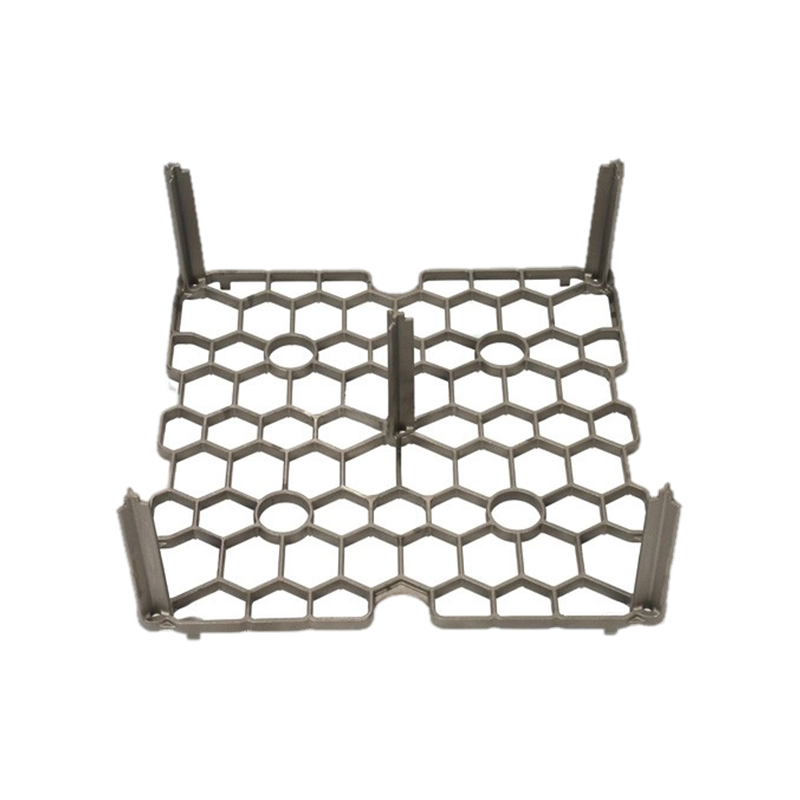
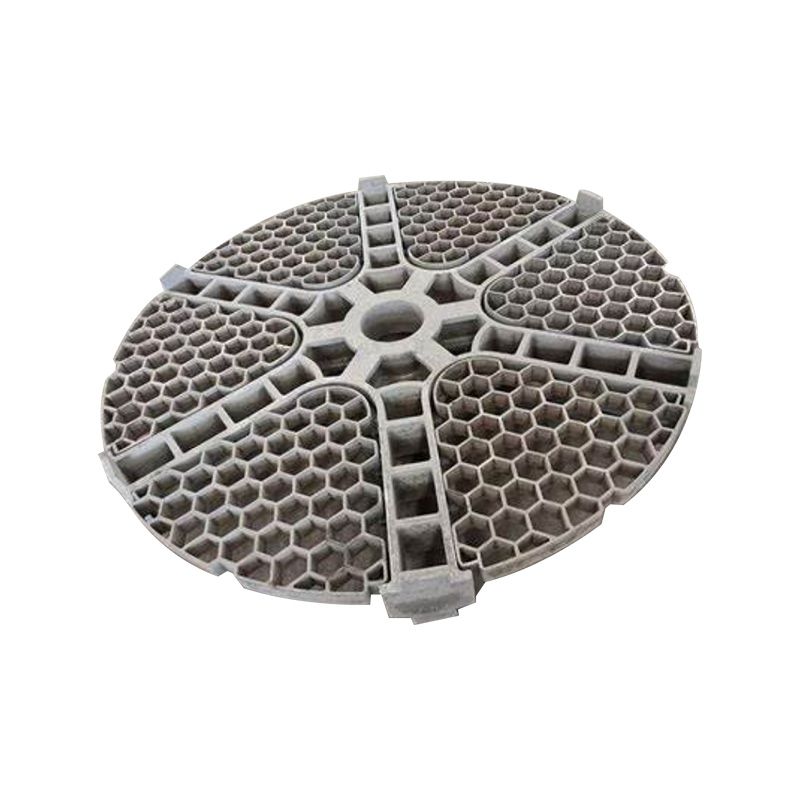
Heat treatment trays are essential tools used in various industrial processes, especially in heat treatment applications for metals, ceramics, and other materials. These trays are designed to withstand high temperatures, but their use also comes with potential hazards that must be carefully managed. Proper safety measures are critical to avoid accidents, damage to equipment, and injury to personnel. Below are key safety considerations to keep in mind when using a heat treatment tray.
Content
- 1 1. Proper Handling and Use of Heat Treatment Trays
- 2 2. Personal Protective Equipment (PPE)
- 3 3. Temperature Control and Monitoring
- 4 4. Fire Safety Considerations
- 5 5. Handling Hot Trays
- 6 6. Maintenance and Care of Heat Treatment Trays
- 7 Comparison Table: Heat Treatment Tray Safety Guidelines
- 8 FAQ: Common Questions About Heat Treatment Tray Safety
1. Proper Handling and Use of Heat Treatment Trays
Before using a heat treatment tray, ensure that the equipment is in good condition and suitable for the intended purpose. Overloading or mishandling the tray can lead to accidents or failure of the tray. Follow these guidelines:
- Inspection: Always inspect the tray before use for any signs of wear, cracks, or other damages that might affect its performance.
- Weight Limit: Do not exceed the maximum weight capacity of the tray to prevent bending or breaking under heat.
- Proper Placement: Ensure the tray is placed on a stable surface and that it is evenly loaded to avoid tipping or uneven heating.
2. Personal Protective Equipment (PPE)
Wearing appropriate PPE is essential when working with heat treatment trays. This will help prevent burns and other injuries associated with high temperatures. The following PPE should always be worn:
- Heat-resistant Gloves: Protect your hands from burns when handling hot trays or materials.
- Safety Glasses: Protect your eyes from flying debris or any splashes that may occur during the heat treatment process.
- Heat-resistant Aprons: Protect your clothing and skin from direct heat exposure.
- Face Shield: In some cases, using a face shield may be necessary to protect the face from heat radiation or sparks.
3. Temperature Control and Monitoring
One of the most critical aspects of heat treatment is controlling the temperature. Overheating can lead to material degradation, while insufficient heat may fail to achieve the desired treatment results. To ensure safety:
- Thermometers and Sensors: Always use accurate thermometers or temperature sensors to monitor the tray's temperature.
- Heat Distribution: Ensure uniform heating across the tray to prevent localized hot spots that may cause material damage or equipment malfunction.
- Cool-down Procedures: Allow the tray to cool down gradually after use. Sudden temperature changes may cause warping or cracking of the tray.
4. Fire Safety Considerations
Heat treatment trays operate at high temperatures, which can increase the risk of fire. Ensure the following fire safety measures:
- Fire Extinguishers: Have fire extinguishers readily available near the heat treatment area.
- Fire-Resistant Materials: Use fire-resistant materials for tray construction and ensure that the surrounding environment is free of flammable substances.
- Ventilation: Maintain adequate ventilation to prevent the buildup of harmful gases or fumes that could lead to combustion.
5. Handling Hot Trays
After heat treatment, trays and materials can remain extremely hot. The following precautions should be taken when handling them:
- Cooling: Allow the tray to cool to a safe temperature before handling, or use heat-resistant tools such as tongs or clamps to move the tray.
- Secure Storage: Store hot trays in a designated area away from other materials or equipment that could be damaged by the heat.
6. Maintenance and Care of Heat Treatment Trays
To ensure the longevity and safe operation of heat treatment trays, regular maintenance is necessary:
- Cleaning: Clean trays regularly to remove any residues or contaminants that could affect their performance or safety.
- Regular Inspections: Conduct routine inspections for signs of wear, corrosion, or damage that could compromise the tray's integrity.
Comparison Table: Heat Treatment Tray Safety Guidelines
| Safety Consideration | Guidelines |
|---|---|
| Handling | Inspect trays, avoid overloading, ensure even distribution |
| PPE | Wear gloves, safety glasses, aprons, and face shields |
| Temperature Control | Monitor with thermometers, ensure uniform heat, gradual cool-down |
| Fire Safety | Have fire extinguishers, use fire-resistant materials, ensure ventilation |
| Handling Hot Trays | Cool down trays, use heat-resistant tools, store securely |
| Maintenance | Clean regularly, conduct inspections for wear and corrosion |
FAQ: Common Questions About Heat Treatment Tray Safety
1. Can heat treatment trays be used for all types of materials?
No, heat treatment trays are designed for specific materials. Always ensure that the tray is suitable for the type of material being treated, as different materials have different thermal requirements.
2. What temperature should I set the heat treatment tray to?
The temperature depends on the material being treated. Always refer to the manufacturer's guidelines or industry standards for the appropriate temperature settings for specific materials.
3. How do I handle a tray that is too hot to touch?
If the tray is too hot to handle, use heat-resistant gloves, tongs, or other appropriate tools to move or adjust it. Never attempt to move the tray with bare hands when it is at high temperature.
4. How often should I inspect my heat treatment tray?
Heat treatment trays should be inspected regularly, particularly after each use. Look for signs of wear, cracking, or damage to ensure the tray remains safe to use.