Shunda Road, Lincheng Town Science and Technology Industrial Park, Xinghua City, Jiangsu Province
 English
 русский
 Español
 عربى
عربى
Suppose your impact crusher is chewing through blow bars faster than your maintenance team can swap them. You are not alone. For any horizontal shaft impactor, the blow bar is the single most expensive wear item on the rotor, and its metallurgy determines both your cost per ton and your downtime schedule. This guide explains the alloy families, the casting process differences, and the operational factors that decide whether a set of blow bars lasts 50 hours or 500 hours.
Content
What Are Blow Bars and Why Do They Matter?
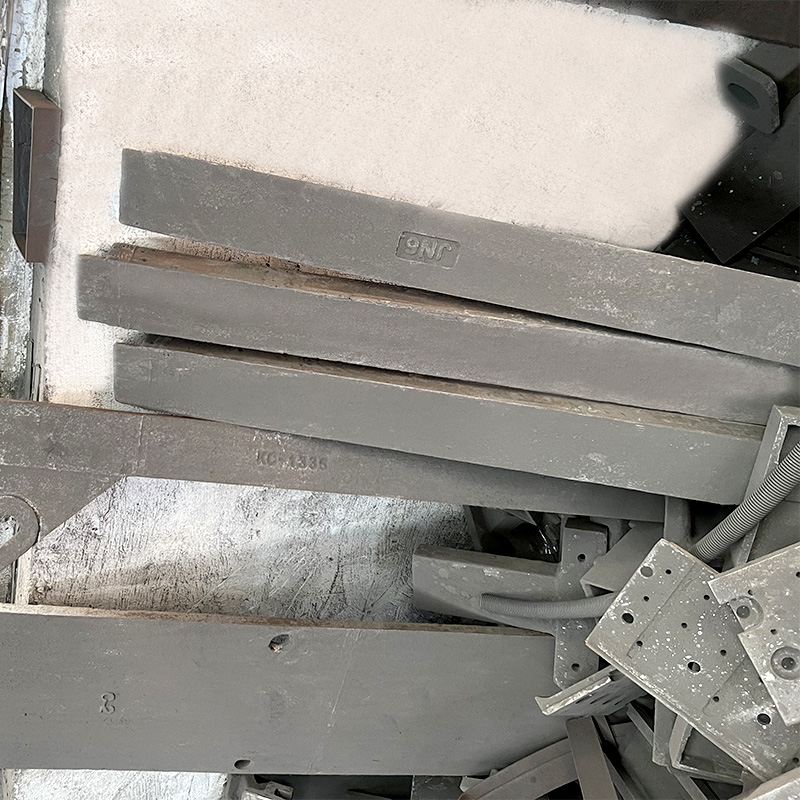
Blow bars for impact crusher are the replaceable wear components mounted on the rotor of a horizontal shaft impact crusher (HSI). As the rotor spins at high speed, the blow bars strike the incoming rock and throw it against the impact aprons inside the crushing chamber. The material fractures on impact, and the blow bars absorb continuous abrasion and shock loading throughout the cycle.
Because they are the primary contact point with the feed, blow bars are the main cost driver in any impact crushing operation. A poor alloy choice can double your wear part budget, while an incorrect casting process can cause premature cracking or breakage that damages the rotor itself. Understanding how blow bars are made is not optional technical detail; it is the difference between predictable production and recurring emergency repairs.
Main Metallurgical Types of Blow Bars
Not all blow bars are created equal. Foundries formulate different alloy chemistries to balance wear resistance against toughness, and each formulation has a specific operating window. The four dominant types in the US market are high chrome, martensitic steel, manganese steel, and ceramic-enhanced composites.
High Chrome Blow Bars
High chrome blow bars contain a high percentage of chromium, typically above 20%, which forms hard chromium carbides throughout the microstructure. This gives them excellent abrasion resistance against silica-bearing rock and recycled asphalt. The trade-off is toughness: high chrome is brittle and sensitive to tramp metal. A stray steel rebar or drill bit can crack a high chrome bar in a single impact.
Best use: secondary or tertiary crushing of highly abrasive feed with controlled top size, such as asphalt, granite, or quartz-rich gravel. Avoid these bars in primary applications where uncrushable metal is likely to enter the chamber.
Martensitic Blow Bars
Martensitic steel blow bars are heat-treated to produce a hard, tough martensitic matrix. They offer significantly better impact resistance than high chrome while still providing respectable wear life. Martensitic alloys are the default choice for concrete recycling, demolition debris, and any feed where rebar or wire mesh is a realistic hazard.
The catch is metallurgical sensitivity. Low-carbon martensitic grades require a clean casting process and precise heat treatment. Impurities or improper cooling can reduce hardness by several Rockwell C points, which is why casting method matters more for this alloy than for any other.
Manganese Steel Blow Bars
Manganese steel, often called Hadfield steel, is the toughest blow bar material available. It work-hardens under impact, meaning the surface becomes harder as it absorbs energy. This makes it exceptionally resistant to breakage even with very large feed and heavy tramp metal contamination.
But work-hardening comes at a price: manganese steel has the lowest wear resistance of the four types in purely abrasive conditions. It wears quickly when crushing fine, gritty material without high impact energy. Use it for primary crushing of soft to medium-hard rock like limestone, or where oversized feed would destroy any other alloy.
Ceramic-Enhanced Blow Bars
Ceramic-enhanced blow bars combine a high chrome or martensitic base with embedded ceramic inserts, usually arranged in a honeycomb pattern or as zirconia-toughened alumina columns. The ceramic phase provides extreme resistance to abrasive wear, while the steel base retains enough toughness to handle normal impact loads.
This is the premium option for high-wear applications. In abrasive feed such as asphalt with high silica content, ceramic-composite bars can last two to three times longer than standard high chrome. The initial cost is higher, but the cost per ton often works out in the operator's favor.
Comparison at a Glance
| Alloy Type | Wear Resistance | Toughness | Best Feed Size | Tramp Metal Tolerance |
|---|---|---|---|---|
| High Chrome | High | Low | Small to medium | Poor |
| Martensitic | Medium | Good | Medium to large | Good |
| Manganese Steel | Low to medium | Excellent | Large to very large | Excellent |
| Ceramic-Enhanced | Very high | Medium | Small to medium | Fair |
Key Factors That Affect Blow Bar Wear Life
Selecting the right alloy is only half of the equation. The same blow bar can perform very differently depending on how the crusher is fed and operated. Here are the variables that matter most.
Feed Size
Larger feed particles generate higher impact forces when struck by the rotor. If your feed exceeds the design size, you need a tougher alloy like martensitic or manganese. A high chrome bar in a primary crushing role will fail prematurely, not because the abrasion is too high, but because the shock load exceeds its fracture toughness.
Abrasiveness and Silica Content
Rock with high quartz or SiO₂ content is far more abrasive than soft limestone. As a rule of thumb, the higher the silica content, the harder the blow bar must be. For silica-heavy feed, high chrome or ceramic-enhanced bars are the only economical options. For soft, non-abrasive materials, a tougher alloy like manganese steel may actually deliver better overall value despite its lower hardness.
Fines Content and Moisture
Fine material in the feed accelerates wear by acting as abrasive grit between the blow bar and the impact aprons. It also cushions impacts, reducing the stress that triggers work-hardening in manganese steel. High moisture causes similar effects by promoting clay build-up. If your feed contains a high percentage of fines, consider pre-screening or moving to a more wear-resistant alloy.
Rotor Speed and Crushing Ratio
Higher rotor speed increases impact energy and wear rate. A high crushing ratio means more impact cycles per ton, which also shortens blow bar life. Operators who need a specific product gradation often achieve it through speed and gap settings, but these settings directly affect wear cost. There is always a trade-off between product shape and blow bar consumption.
Tramp Metal Risk
Any feed stream that may contain rebar, buckets, or drilling tools requires an alloy with high toughness. The best practice is to install a magnetic separator and metal detector before the crusher, but no system is 100% reliable. If tramp metal reaches your blow bars, a brittle high chrome bar shatters; a manganese or martensitic bar usually survives with localized damage.
Casting Process: Why It Determines Blow Bar Quality
Two blow bars with the same nominal chemistry can perform completely differently because of the casting method. The alloy chemistry is decided in the melt, but the final microstructure, internal soundness, and surface quality are decided by how the molten metal is poured and solidified.
Sand Casting vs. Lost Foam Casting
Sand casting, particularly resin sand molding, is the traditional process for high-quality wear parts. It produces a dense, defect-free structure with good surface finish, which is exactly what low-carbon martensitic grades require. Resin sand molds hold their shape well and allow controlled cooling, reducing the risk of micro-shrinkage or hot tears.
Lost foam casting, also called evaporative pattern casting, offers advantages in mold cost and geometric flexibility. It is excellent for complex shapes and high-volume production of standard wear parts. However, the foam pattern decomposes and releases gas during pouring, which can cause carbon pick-up or inclusions in low-carbon steels. For this reason, experienced foundries are cautious about using lost foam for martensitic blow bars. It is perfectly suited for high chrome alloys and other formulations where the carbon content is already high.
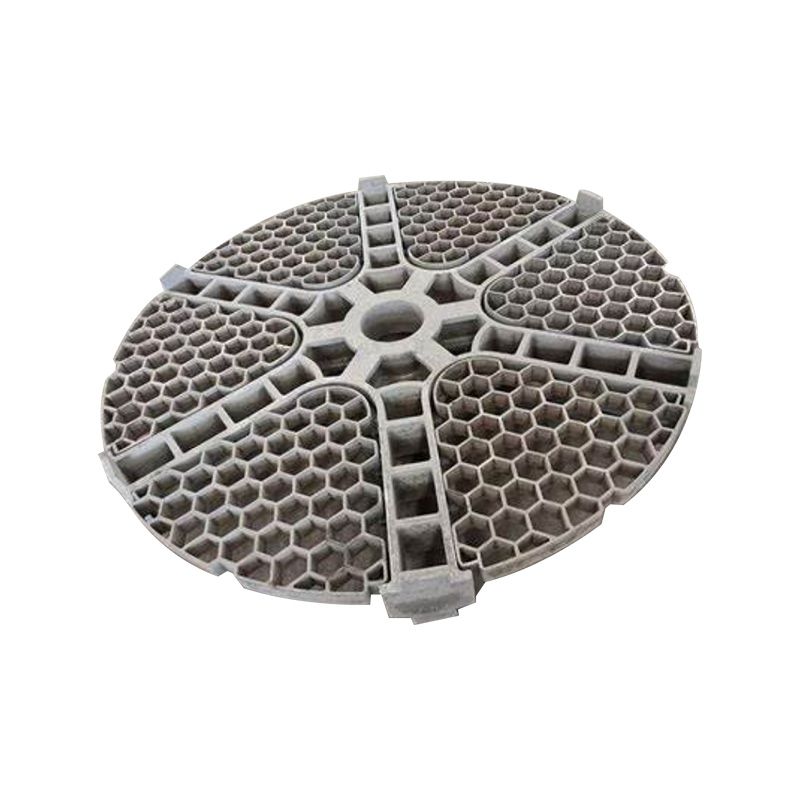
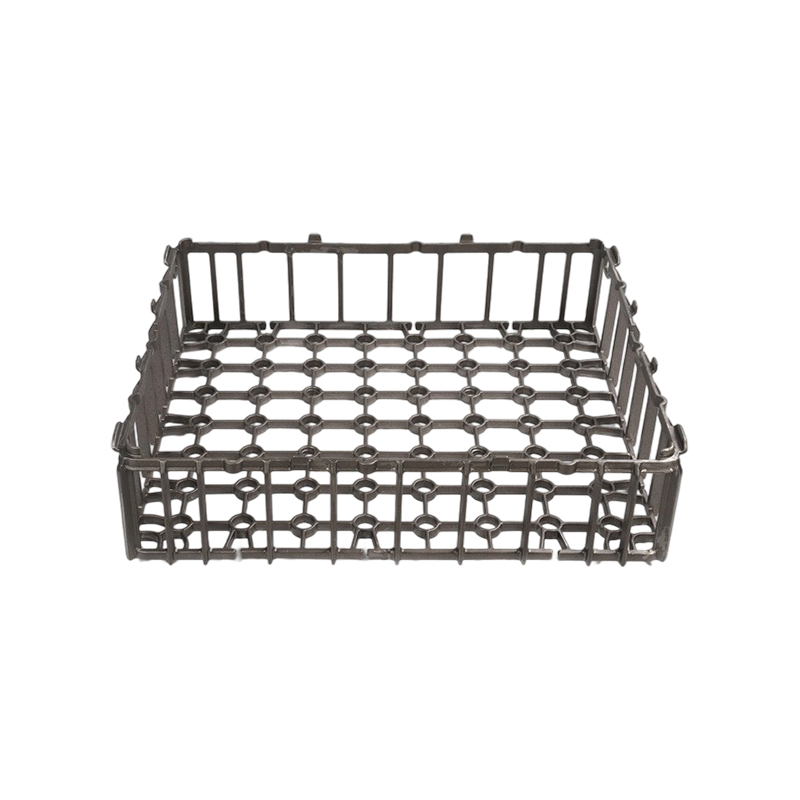
At our foundry, we combine resin sand casting process for wear parts with our lost foam casting capabilities to match the right process to each alloy. An example of our lost foam production is wear-resistant steel castings for high-abrasion applications such as grate plates and cooler parts, which face similar impact and abrasion demands as blow bars.
 Lost Foam Casting Grate Cooler Grate Plates Supplier, CompanyXinghua Jinniu Machinery Manufacturing Co., Ltd. is China lost foam casting grate cooler grate plates supplier and company, specializing ...View Product →
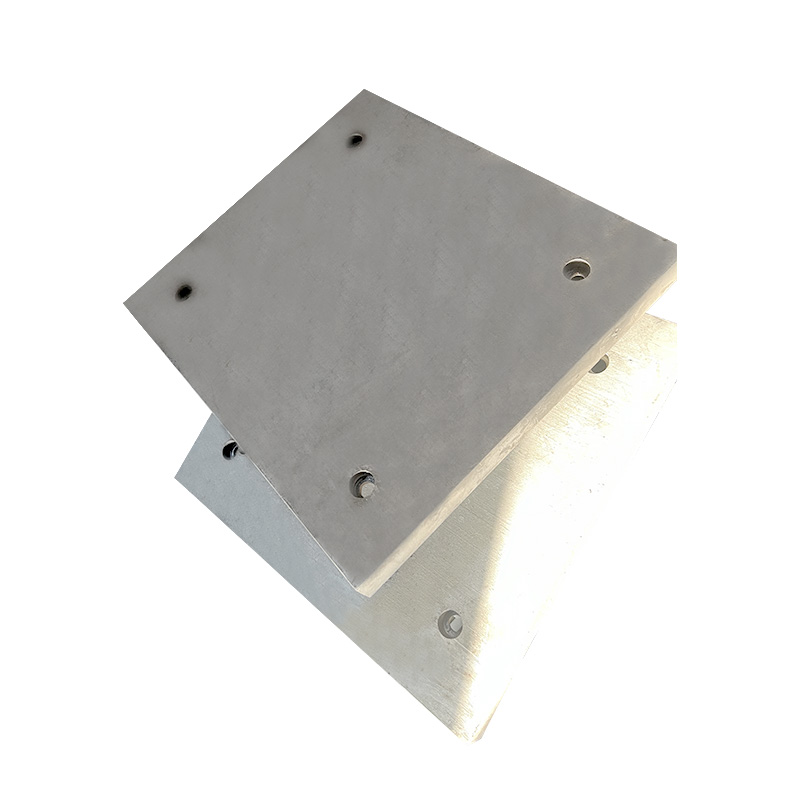
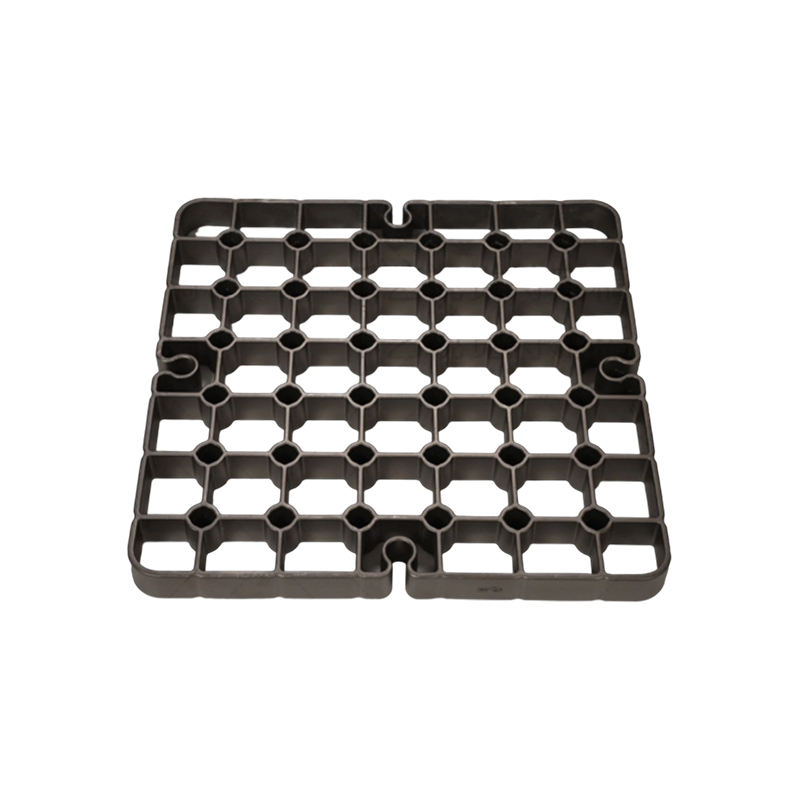 Resin Sand Casting Solutions Manufacturers, FactoryXinghua Jinniu Machinery Manufacturing Co., Ltd. is China resin sand casting solutions manufacturer and factory, we offer wholesale durab...View Product →
Alloy Control and Melting Practice
The foundry must precisely control the levels of carbon, chromium, molybdenum, nickel, and titanium. Off-spec chemistry by just a few tenths of a percent can shift the wear life by 20% or more. A reputable supplier will use optical emission spectrometry to verify every heat before pouring.
Heat Treatment
After casting, the blow bar must be austenitized, quenched, and tempered to achieve the specified hardness and toughness balance. Heat treatment is not a generic step; it must be customized to the exact alloy and typically involves specialized fixtures. When you evaluate a manufacturer, ask about their heat treatment tooling solutions and their ability to control quench rates. Proper heat treatment can be the difference between a bar that wears slowly and one that chips or cracks in service.
Quality Inspection
Look for a supplier who carries out hardness testing on every batch, ultrasonic or radiography testing for internal defects, and metallographic inspection to confirm the carbide structure. Without these checks, you are buying chemistry, not quality.
How to Extend Blow Bar Service Life
Once the right blow bar is installed, several operational practices can dramatically increase its working life.
Use Reversible and Symmetrical Designs
A symmetrical blow bar has identical wear surfaces on both sides. When the leading edge is worn to the maximum limit, the bar is flipped, and the unused trailing edge becomes the working edge. This effectively doubles the service life of a single bar. Most serious blow bar manufacturers offer this design as standard.
Rotate Blow Bars at the Right Time
Replace or flip bars before the wear flat reaches the clamping area. Running a blow bar too long allows the rotor body and clamps to contact the feed, causing severe damage to the crusher. Set a weekly inspection interval and measure the wear profile with a simple gauge.
Control the Feed
Pre-screening removes fines that cause excessive abrasion. A magnetic separator and metal detector reduce the risk of tramp metal. Controlling the maximum feed size prevents overloading the blow bars with energy they were not designed to absorb.
Match Crusher Settings to Material
Adjust the rotor speed and apron gap to the actual feed properties. Crushing softer materials at higher speeds wastes blow bar life. Conversely, too slow a speed for hard rock reduces the crushing efficiency and causes material to rub against the bars, which is more abrasive than a clean impact.
Conclusion: Choosing a Reliable Blow Bar Supplier
The right blow bars for impact crusher applications combine the correct metallurgy, a casting process that ensures the alloy's full potential, and consistent quality control. Start by characterizing your feed: abrasiveness, feed size, moisture, and tramp metal risk. That will narrow the alloy choice. Then evaluate suppliers based on their casting process and verification methods, not just their quoted price.
As a professional wear-resistant alloy steel foundry, Jinniu Casting has the metallurgy expertise and multiple casting processes needed to produce impact crusher wear parts, including high-load alloy steel casting components for demanding applications. We operate under ISO9001 and ISO14001 management systems with in-house spectrometry, hardness testing, and defect inspection. If you need a custom alloy formulation or consistent batch quality for your crushing operation, learn more about our foundry capabilities and contact us with your wear part drawings and material specifications.
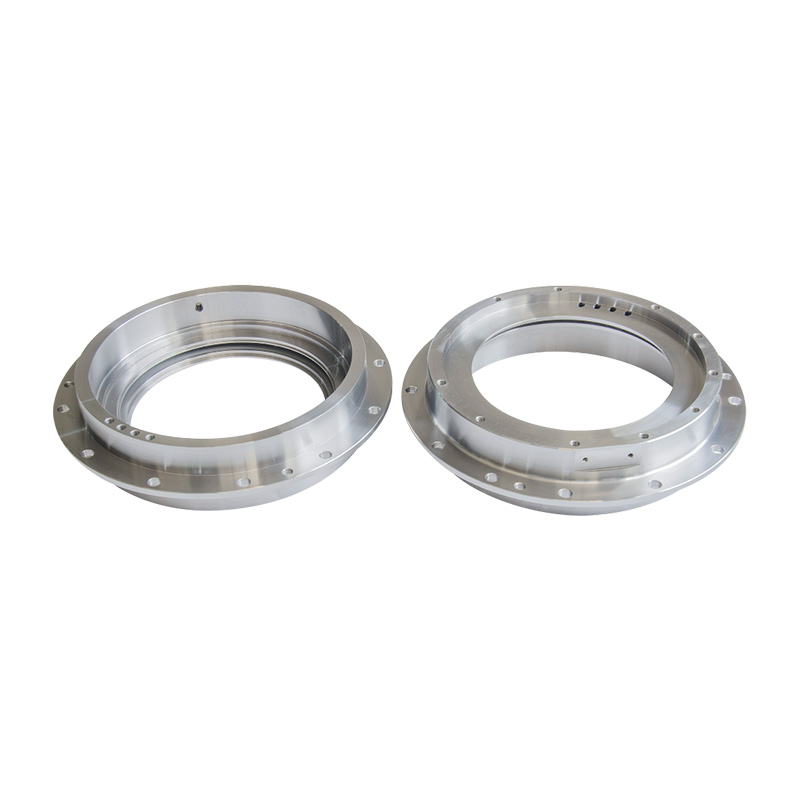 Durable Centrifugal Casting Bearing Caps Supplier, CompanyXinghua Jinniu Machinery Manufacturing Co., Ltd. is China durable centrifugal casting bearing caps supplier and company, specializing in ...View Product →